by ropeway-admin | Mar 27, 2026 | Manufacturing
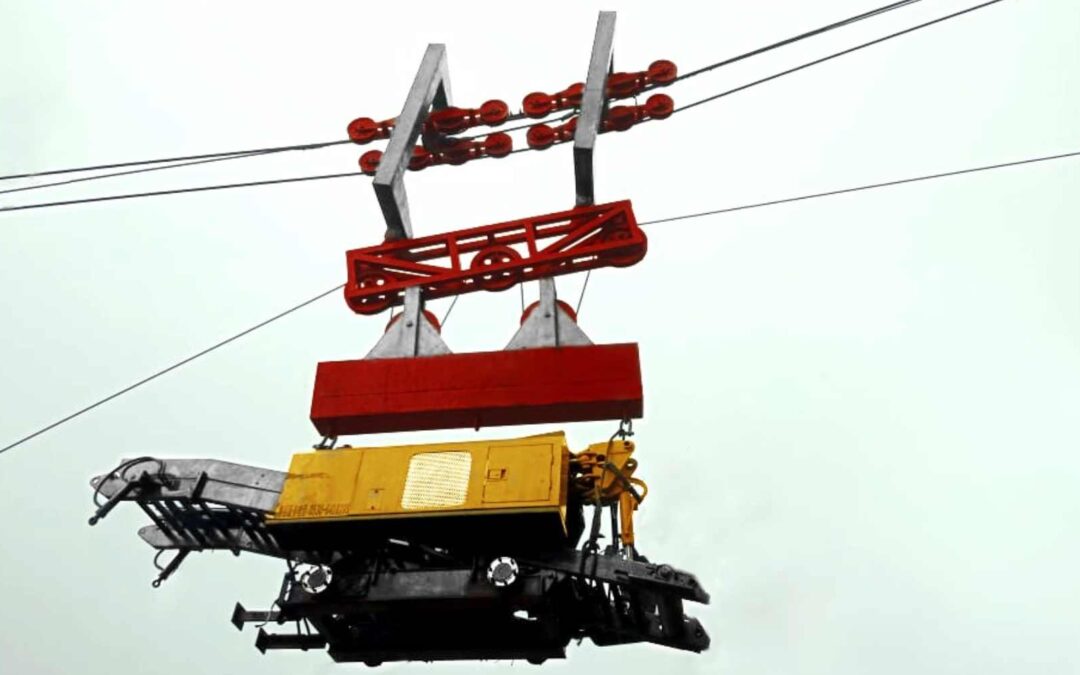
Modern construction has evolved far beyond traditional blueprints. Terrain challenges, tight deadlines, and complex logistics define today’s projects. But sometimes they become a critical hurdle. Like navigating steep mountainsides, spanning wide valleys, or reaching remote infrastructure sites, transporting heavy loads safely and efficiently. But here Cable crane system for construction sites enters as a solution. They’re a transformative key that delivers precision, extended reach, and dependable performance. Where conventional equipment simply fails, the cable cranes show a ray of light.
Moreover, in today’s construction landscape, Heavy Material Handling in Construction exposes the limits of regular cranes, temporary roads, and manual transport. These slow down development, drive up expenses, and introduce avoidable dangers. But here Cable crane systems offer a smarter alternative. How? By maintaining a steady material flow even through the most demanding conditions. Industry experts like M&M Ropeways are spearheading this evolution. By engineering powerful ropeway and cable crane solutions. These are specially designed to tackle the toughest construction scenarios.
What is a Cable Crane and How Does it Work?
A cable crane is a purpose-built lifting system that is designed to move heavy materials across vast distances and challenging landscapes. These systems help where traditional cranes fail to perform well. They generally feature track ropes that are suspended between support towers, a mobile carrier trolley, and hoisting ropes that raise and lower loads with pinpoint accuracy.
Here’s how it works:
- Track ropes from the pathway by spanning valleys, rivers, or rugged slopes
- A carrier/trolley that glides smoothly along these ropes
- Lifting ropes lift, descend, and position materials exactly where needed.
The plus point is that cable cranes deliver exceptional reach, rock-solid stability, and nonstop operation. This makes them perfect as Material Handling systems for construction sites, which are particularly hard to reach. Cable crane systems handle big cargo safely while ensuring speed, control, and peak efficiency. By forming the technical foundation for intelligent construction logistics.
Key Applications in Construction Projects
Cable crane systems have become essential in modern construction, particularly when projects demand scale, adaptability, and surgical precision. What makes them a go-to choice for Heavy Material Handling? Their versatility and impressive load-bearing capacity. This is the one that makes them a one-stop solution for Heavy Material Handling in Construction across a variety of challenging builds.
Heavy Infrastructure Projects (Dams & Bridges)
These systems help in large-scale infrastructure. Like dams and expansive bridges require continuous movement of concrete buckets, steel reinforcements, and heavy formwork. All across rivers, deep gorges, and active construction zones. Cable cranes rise to the occasion by enabling cable cranes for Heavy lifting Operations with pinpoint material placement. All while keeping safety intact and operations running smoothly without disruption.
Challenging Terrains (Mountains & Remote Sites)
When construction ventures into mountainous or isolated areas, the lack of proper road access becomes a major obstacle. But here, cable cranes shine as robust material handling systems for construction sites. They effortlessly move materials over steep inclines and vast distances. They ensure that heavy material handling in construction continues seamlessly. Even when nature throws its toughest obstacles in the way.
Vertical & Horizontal Transport
The capacity to perform both vertical and horizontal shifts simultaneously is what distinguishes cable cranes from their competitors. Materials can be easily transported to higher platforms or multi-story work zones. All thanks to this dual functionality. Plus, cutting down on manual labor, streamlining workflows, and keeping the supply chain active across sprawling construction sites.
Benefits of Cable Crane Systems on Construction Sites
What does Cable Crane technology really bring? Real, measurable benefits to projects where efficiency, safety, and dependability are requirements. These systems reshape how material traverses tough terrain and tricky conditions.
Enhanced Efficiency
- Cable cranes maintain a steady, unbroken flow of material. By helping teams sidestep downtime triggered by difficult terrain or limited access routes. What makes them stand out is their ability to operate reliably through all seasons and weather patterns.
- This consistency makes them invaluable for Heavy material handling in construction. Especially when schedules are tight, and every delay carries a hefty price tag.
Safety and Risk Reduction
- Lifting materials well above ground level means cable cranes naturally avoid hazards like flooding, site congestion, landslides, and unstable surfaces.
- This elevated approach not only improves overall site safety but also supports cable cranes for heavy lifting operations by allowing precise, controlled placement. All without putting workers in harm’s way or exposing them to avoidable dangers.
Environmental & Cost Advantages
- One of the smartest perks? Cable cranes remove the need for building temporary access roads, which slashes earthwork. Plus fuel usage and ongoing maintenance expenses.
- Their minimal footprint on the ground positions them as eco-conscious Material handling systems for construction sites. Particularly valuable in protected or environmentally sensitive zones.
High Load and Span Capabilities
- Cable cranes effortlessly move heavy machinery and large components across wide valleys, deep gorges, and rugged landscapes.
- They offer the strength, reach, and reliability that conventional lifting equipment simply won’t deliver.
Why Choose M&M Ropeways for Cable Cranes?
When it comes to selecting a dependable partner for advanced cable crane lifting solutions. At that time, experience and engineering precision become essential. M&M Ropeways had earned its reputation as a trusted cable crane manufacturer by delivering advanced systems. They are designed specifically for demanding construction environments. Also, backed by 35+ years of real-world expertise. The company has successfully planned and executed aerial ropeway and cable crane projects throughout India and beyond. Including remarkable installations in extreme conditions like Siachen at 18,000 feet above sea level.
What makes them different from others:
- Decades of Proven Field Experience
- Engineering Solutions for Extreme Terrains
- Compliance with Global Safety Standards
- Personalized to Each Individual Project
- Comprehensive Planning and Support Following the Sale
The Bottom Line
The future of infrastructure belongs to solutions that deliver speed, safety, and intelligence. Especially where challenges can’t be avoided, they can only be overcome. A cable crane system for construction sites has evolved beyond being a backup option. It’s now a strategic asset for projects that require precision, extended reach, and seamless material movement. Heavy Material Handling in Construction increasingly determining. Whether timelines are met or missed.
Here, selecting the Right Technology and the right partner becomes essential. M&M Ropeways is equipped to tackle your toughest construction demands. If your project calls for reliability. Then explore custom-built cable crane alternatives with M&M Ropeways. Contact Today and move confidently into the future of smarter, stronger construction.
by ropeway-admin | Mar 25, 2026 | Manufacturing
Connectivity becomes more than a convenience at the places where roads disappear into sharp bends. And mountains? They dictate every engineering decision. This becomes a huge challenge. Traditional Infrastructure doesn’t work well in this kind of landscape. As they are time-consuming and expensive. However, even after heavy investment, many regions remain cut off during certain seasons. This affects mobility, development, and access to essential services.
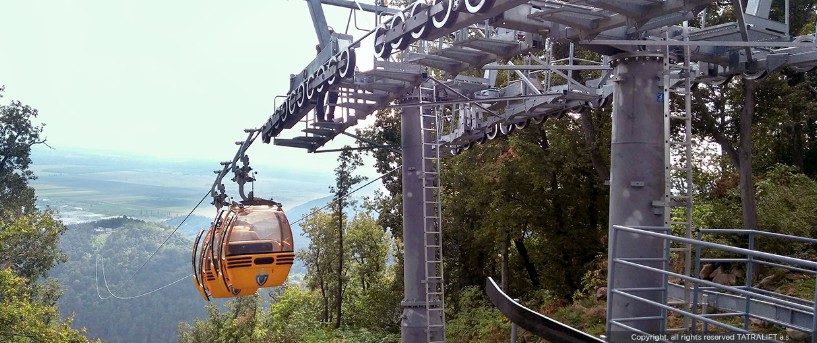
Here, ropeway systems in hilly areas offer a smarter, more adaptable solution. A modern ropeway transportation system ensures consistent connectivity with minimal environmental impact. And all this is backed by strong engineering expertise and project-focused execution. M&M Ropeways, as a trusted ropeway manufacturer, supports such critical infrastructure needs. How? By delivering reliable ropeway solutions that are designed specifically for challenging geographies.
The Magic of Ropeways: How They Work and Why They’re Important
What are Ropeway Systems?
So, what are Ropeway systems really? A reliable transportation system that carries people or materials above the ground. It relies on high-strength steel cables, which are stretched between two carefully positioned towers. Cabins, chairs, or carriers are suspended from these cables and move continuously. They are powered by a central drive system. The working principle is simple and reliable. It allows ropeways to operate smoothly in steep, uneven, and sensitive terrain.
Types of Ropeways Systems
Ropeways are built in different configurations based on usage and load requirements.
- Passenger Ropeways: Commonly used for tourism, urban hill mobility, and pilgrimage routes.
- Material Ropeways: Support mining, construction, and industrial projects.
Cable Configurations Used
- Mono-cable: Suitable for shorter spans.
- Bi-cable or tri-cable systems: Designed for longer distances and heavier loads.
Why Ropeways Matter
The aerial ropeway system operates as a transportation system that moves across valleys, rivers, and slopes. All without needing to conduct extensive earthwork operations. The ropeway transportation system provides both operational efficiency and advanced capabilities to handle difficult topographical challenges.
Why Ropeways Are Ideal For Remote & Hilly Connectivity
Ropeway transportation systems should be designed to adapt to the terrain of remote and hilly regions. Completely without extensive building or lasting interruption. Due to the unstable slopes and unpredictable weather, conventional infrastructure finds these areas particularly challenging. However, ropeways? By resolving these issues, they provide a workable solution to enhance ropeway connectivity in outlying regions.
Terrain Adaptability Across Challenging Landscapes
Ropeways are engineered to span steep slopes, valleys, rivers, and forested regions with ease. They eliminate the need for extensive cutting or tunneling. This makes them highly effective for ropeway connectivity in remote areas where access is limited.
Minimal Land Disruption and Faster Deployment
Ropeways leave a smaller environmental footprint. They need fewer support structures and less civil work. This streamlined construction approach also shortens project timelines. By allowing ropeway systems in hilly areas to become operational much faster than traditional road or rail projects.
Reliable Performance in All Weather Conditions
They are designed for consistency. Their biggest advantage is that they keep operating during heavy rain, snowfall, and landslides. These conditions often disrupt surface transport. By ensuring dependable connectivity throughout the year.
Advantages of Ropeway Systems Over Conventional Transport
What Ropeways actually deliver: smart, future-ready alternative to traditional transport. Especially where terrains fight back. Their designs tackle real challenges head-on, offering benefits that matter. Including lower costs, cleaner operations, and built-to-last reliability.
Here are some advantages of Ropeway systems:
- Cost Efficiency: They offer minimal land acquisition and streamlined construction. That means controlled budget and faster project delivery. Along with no drawn-out timelines and bloated expenses.
- Environmental Sustainability: They glide above ground, leaving forests standing and soil untouched. Results in less excavation, zero habitat destruction, and dramatically lower emissions. By making them an eco-conscious choice.
- High Safety and Operational Continuity: Ropeways use precision engineering to move smoothly and safely, with fail-safes built in. One Biggest Advantages? Works well even in rain, wind, or rough conditions.
- Low Maintenance and Long-term Value: Fewer ground components mean simpler upkeep. The result? Lean operating costs and dependable performance that pays off year after year.
Ropeway Applications: From Mountains Projects to Infrastructure Development
Ropeways have evolved beyond tourism attractions to become versatile infrastructure solutions across multiple sectors. Their strength lies in conquering difficult terrain. How? By making them invaluable for commercial ventures and public projects alike. Because when roads can’t cut it, at that moment ropeway for mountain projects step in to deliver access, efficiency, and safety where it counts most.
Key Applications of Ropeway Systems
Tourism & Pilgrimage Zones
In tourism and pilgrimage zones, ropeways streamline visitor flow. While easing pressure on delicate ecosystems. They ensure smooth, nonstop transportation without disturbing natural landscapes.
Mining & Material Handling
Ropeways provide non-stop transportation of raw materials across valleys and rugged landscapes. By powering mining and material handling operations through systems like cable cranes, mono-cable ropeways, and bi-cable ropeway setups. This eliminates the need for costly roadworks and heavy ground infrastructure.
Remote Construction Sites
Ropeway systems provide remote construction sites with their most substantial operational benefits. The systems enable fast and efficient transportation of equipment and supplies to difficult-to-access sites. This helps maintain project schedules without experiencing any delays or operational challenges.
Rural & Border Connectivity
The impact goes beyond industry. Ropeway for mountains projects bridges gaps for rural and border communities. By connecting them to vital services and economic opportunities.
Sustainable mobility is climbing up the agenda for governments and urban planners. Ropeways are cementing their place in modern infrastructure development. By driving growth with smart design and environmental care.
Why M&M Ropeways is a Trusted Ropeway Solution Provider
M&M Ropeways has earned its reputation by delivering dependable systems through complete end-to-end execution. All, from initial design and precision engineering to manufacturing and on-site installation. Every Project gets personalized treatment, shaped to match specific terrain challenges and operational demands. This makes their work especially effective for ropeway systems in hilly areas where standard solutions simply won’t hold up.
For M&M Ropeways
- Safety is built into every stage
- Rigorous quality standards are a priority
- Performance benchmark according to international standards
Their portfolio spans both passenger and material ropeways. By proving their versatility across varied applications. Plus, by focusing on durability and smart design, M&M Ropeways actively supports sustainable infrastructure development. Also, creating systems engineered for efficiency that lasts.
Conclusion: Smarter Connectivity for Challenging Landscapes
Ropeways have proved themselves as practical, forward-thinking solutions for regions where traditional transport constantly struggles. What are they really doing? Solving mobility problems that have persisted for decades in tough geographies. You Know how? With unmatched terrain adaptability, environmental responsibility, and rock-solid reliability.
As infrastructure thinking matures, ropeways are becoming essential to strengthening connectivity in remote areas. Plus, unlocking development without sacrificing the environment.
Contact M&M Ropeways today to discover expertly engineered, dependable, and sustainable systems. These are specially built to match any terrain and project requirement.
by ropeway-admin | Mar 23, 2026 | Manufacturing
The issue of establishing better transportation links to India’s tourist sites requires a powerful solution. Popular hill stations see traffic jams that stretch for hours. Religious sites experience their maximum visitor capacity during their busiest periods. Traditional roads and bridges have failed to solve the entire equation. The construction of conventional facilities requires substantial financial resources, as they take multiple years to complete. Further, they disfigure the natural landscape, which draws visitors. In 2026, ropeway transport for tourism alone is emerging as a practical and future-ready alternative.
This guide covers why ropeway transport is becoming the preferred choice for connecting India’s tourist destinations (especially in challenging terrain).
Understanding Ropeway Transport
What is Ropeway Transport?
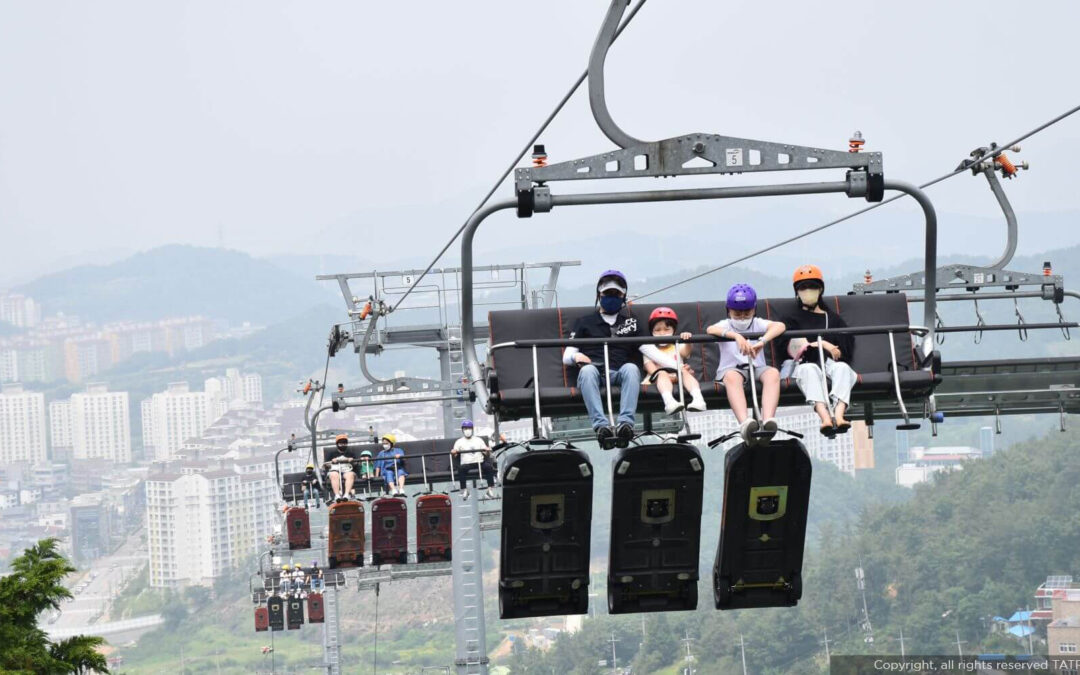
Ropeway systems function as modern aerial transportation systems that use suspended cabins for passenger movement to elevated destinations. The system application spread to mountainous regions, ski resorts, and urban areas where ground transportation methods are not feasible.
The system operates via motor-driven cables that transport vehicles between different station points. The system enables movement across obstacles, which include valleys and rivers, and steep slopes, because it does not depend on road or tunnel systems.
Key Benefits of Ropeway Transport for Tourism Growth
What makes the aerial ropeway transport system so effective? The answer lies in what tourist craves: memorable experiences with smooth execution.
Tourism-Specific Advantage
Tourism Ropeways provide something that conventional transport systems do not deliver. With it, passengers can enjoy 360-degree panoramic views throughout their journey. Moreover, the cable car ride operates as a separate entertainment experience. The system provides fast connections that operate as an essential service. What takes an hour by winding mountain roads. A gondola covers in minutes.
Every year, many mountainous countries, like India, suffer heavy losses during the winter season. Rain, fog, and snow disrupt everyday activities in mountainous cities. However, ropeway manufacturers in India leave a minimal environmental footprint during the installation. Furthermore, the system requires no forest destruction and no large concrete structures, which destroy hill landscapes. It provides year-round access, benefiting both tourists and local residents.
Cost-Efficiency Advantage
When tourism boards compare infrastructure options, ropeway systems consistently win on total cost of ownership.
- Lower Construction Costs: We know the fact that the roads need extensive earthwork, retaining walls, and multiple bridges. But ropeways just want tower foundations at intervals. Alongside, you need minimal ground space, mostly for stations and tower bases.
- Operational Savings: Once running, cost-effective ropeway infrastructure proves its worth. Maintenance expenses are lower than road upkeep costs. Electric motors power modern systems efficiently. Plus, staffing needs stay lean compared to managing bus fleets or road maintenance crews.
- Long-Term ROI: The financial returns from ropeway systems start to recover their initial investments after a period of 5 to 8 years through ticket sales. Moreover, capacity can be easily increased by adding cabins or extending operating hours. Additionally, the infrastructure itself becomes a destination brand enhancer, attracting tourists specifically for the experience it offers.
Other Comprehensive Benefits Beyond Costs
Cost matters too much, but sustainable tourism transportation solutions deliver value that goes beyond the balance sheet.
- Environmental Sustainability: Ropeways operate with zero direct emissions. Electric motors run clean (unlike diesel buses climbing mountain roads). Forest cover stays intact because systems need minimal ground clearing. The outcome? The tourist destinations preserve the natural beauty that attracts visitors. The top of it, reduced vehicular traffic at sites means cleaner air and quieter environments. Plus, national parks and protected areas particularly benefit from this low-impact approach.
- Improved Accessibility: For a minute, think about people who visit tourist destinations. Elderly pilgrims heading to hilltop temples. Families with young children exploring hill stations. Differently-abled travelers seeking mountain views. Traditional trekking or steep road climbs exclude these groups. The ropeway transport system welcomes everyone. Comfortable cabins eliminate physical strain. Even in emergency situations, evacuation becomes faster and simpler than clearing roads blocked by landslides.
- Tourism Experience Enhancement: This is 2026. Today, modern travelers have become social media buddies who share experiences instantly on social media. A scenic gondola ride creates Instagram moments that traditional bus journeys never will. This viral marketing costs nothing but delivers massive promotional value.
- Regional Development: Local communities benefit substantially from the transport ropeway. Further, its construction phases create jobs. Plus, the operational department needs personnel to handle ticket sales and equipment upkeep, and security operations. Previously inaccessible areas open to tourism, spreading economic benefits. The rising number of visitors during the year enables small enterprises to achieve business success.
- Safety and Reliability: The tourism ropeway systems have been designed to comply with international safety regulations and include modern tracking and operational systems. The system guarantees nonstop service throughout the year through its automated functions and live system monitoring, and the ability to adjust to changing climate conditions.
Planning Considerations for Tourism Ropeway Projects
Smart tourism ropeway projects start with thorough planning.
Feasibility and Route Planning Essentials
The first step of the process requires a site assessment to take place. Engineers conduct evaluations to assess terrain stability and wind patterns, and geological conditions. Route planning balances technical feasibility with tourist experience.
PPP and Private Investment Models
Tourism ropeways attract diverse funding structures. The PPP framework enables governments and private investors to share project risks, optimize capital investment, and improve project outcomes. Private investment develops in situations where investors are clear about potential revenue.
Regulatory Clearances and Safety Standards
The process requires multiple clearances. It undergoes environmental impact assessments and aviation authority permissions for tower heights and local government approvals. All of these permissions take time to complete. Alongside, safety certifications must fulfill national standards together with international best practices.
Importance of Choosing an Experienced Partner
The selection of an experienced ropeway partner stands as the critical requirement for successful project execution. You should seek partners who possess experience in tourism projects, engineering services, and provide strong maintenance support, which includes post-installation assistance. The right partner guides you through feasibility studies, regulatory mazes, and operational setup. M & M Ropeways is a reputable tourism ropeway manufacturer in India and abroad that ensures every technical and regulatory detail is managed with professionalism. Contact us for your first tourism ropeway installation.

by ropeway-admin | Mar 28, 2024 | Installation
EVOLUTION OF ROPEWAYS
As far back as thousands of years ago, transport problems were already being solved with the help of ropes. Ropes, wound or woven from animal skins or plant fibers helped to surmount rivers and gorges. Such early Ropeways have been found in China, Japan, Brazil, New Zealand, and India.
The history of Ropeways is directly related to the development and manufacturing of ropes and cables. The invention of the steel cable and new power sources (steam engines and electric motors) increased the speed of the further development of new Ropeway systems. Initially, the development was focused on Ropeways for transportation of goods, later interest turned to Ropeways for passenger transport.
Although, the Ropeway system has been in use since ancient times in one form or the other, gradual upgradation in technology has made it a safe, reliable and economical mode of transportation. The conventional transport system, although in use for long, has serious drawbacks in terms of financial viability, environmental safety and last-mile connectivity. To meet such challenges, Ropeway, as an alternative mode of transport is widely being sought across the world.

by ropeway-admin | Jan 15, 2024 | Installation
BASIC ADVANTAGES OF AERIAL ROPEWAYS
Aerial Ropeways are the most advantageous modes of transportation that contribute to an environment-friendly, economical and practical solution. A Ropeway is possibly the most efficient of all modes of transport and has many advantages.