
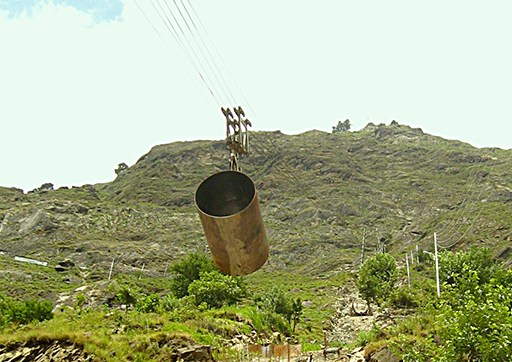
Hydropower construction sites are often located in challenging areas, and that makes road-based transportation both slow and hazardous. The role of ropeway systems becomes essential in such conditions. Ropeway systems for hydropower material transport allow movement across rivers, valleys, and steep slopes without needing road access. The ropeway system provides hydropower sites with effective material handling through its direct point-to-point delivery system. This works continuously while reducing project delays, transport expenses, enhancing safety, and lowering environmental damage.
Let us take a closer look at the Role of Ropeway Systems in Transporting Materials for Hydropower Sites and how these systems support construction in difficult terrain.
Why Do Hydropower Sites Face Serious Transportation Challenges?
Hydropower projects need to be situated in locations where sufficient water resources exist. The process of moving materials to these sites needs both strategic preparation and reliable functioning systems. The construction zone does not have direct road access for most of the time. The process of building new roads requires extended time periods because this may not remain stable due to soil conditions or water flow. At remote construction sites, even minor weather changes can stop transport activities for days. The following factors explain why transportation becomes challenging at hydropower construction sites:
Key Material Transport Challenges at Hydropower Sites:
- Steep slopes and deep valleys restrict vehicle movement.
- Limited or no road access to project locations.
- Temporary roads are costly to build and maintain.
- Higher risk to workers and equipment.
These challenges clearly show that standard roads are not enough. Yes, hydropower projects need a specialized ropeway system that is built to handle such tough terrains safely and reliably.
Types of Construction Materials Transported Using Ropeway Systems For Hydropower Projects
The primary advantage of a ropeway system lies in its capacity to transport various construction materials needed for hydropower project sites. Designed for heavy material transportation, ropeway systems handle both routine supplies and oversized loads with ease, even in difficult terrain. The following are the types of materials transport ropeways systems:
- Cement and Aggregates – Ropeways are used to transport cement bags, sand, gravel, and crushed stone materials. The system provides an ongoing supply of materials needed in concrete production, which eliminates work delays at both the dam site and the powerhouse area.
- Heavy Machinery Parts – Transportation systems achieve efficient movement of large components that include turbines, gates, and mechanical assemblies. Ropeways decrease the dangers that come with transporting oversized equipment through roadways.
- Pipes and Penstock Sections – Long and heavy penstock sections are used in water flow systems. These are commonly moved using ropeways, especially in narrow valleys and high-altitude zones.
- Steel Structures and Rods – Ropeways enable safe transport over steep slopes through their long-distance movement capabilities. The system transports steel beams and structural components without any material bending or damage.
- Tools and Construction Equipment – Ropeway systems transported the daily-use tools, machinery, and spare parts quickly. Ensuring smooth project execution without delays.
The ropeway system for construction materials serves as the essential component that supports hydropower development projects. The system enables construction sites to serve efficiently while maintaining safety standards and completing work according to predetermined project timelines.
Key Advantages of Ropeway Systems For Hydropower Projects
Ropeway systems offer multiple advantages that directly support the complex needs of hydropower construction. This addresses different challenges by delivering cost-effective transport systems along with an enhanced, safe material transportation system and eco-friendly transport for hydropower projects. Now let’s move on to the key advantages:
#1. Time Efficiency and Productivity
Ropeway systems function as an efficient transport system. This operates continuously without interruptions caused by terrain or road conditions. Also, the installation of the system establishes a permanent movement schedule that allows materials to move continuously towards the construction site. The system provides faster material delivery, especially during important stages of the project.
Key Benefits Include:
- Continuous, uninterrupted operation.
- Reduced worker idle time.
- Improved site coordination.
- Faster task completion.
#2. Cost Effectiveness in Long-Term Projects
Hydropower projects that require extended time periods, such as ropeways, prove to be a cost-effective solution. This system decreases fuel requirements for transportation. Also, it provides savings by not needing to build and fix temporary roads. Over time, this leads to noticeable reductions in construction costs.
Cost-Related Advantages Include:
- Lower fuel consumption.
- Minimal maintenance costs.
- Reduced labor expenses.
- Fewer project overruns.
#3. Access To Remote and Inaccessible Locations
Hydropower sites need to be situated in areas that lack existing developed infrastructure. Ropeway functions as a dependable remote area transport solution by moving materials over rivers, valleys, and steep slopes. The system manages difficult terrain logistics by maintaining the original natural appearance of the area.
Access Benefits Include:
- Reliable remote connectivity.
- Smooth mountain transport.
- No road dependency.
- Direct site access.
#4. Safety Improvements at Construction Sites
Ropeway systems support safe material transportation. This decreases the need for manual work and vehicle movement on unstable ground. Also, the system design improves construction site safety and lowers the risk of accidents involving workers or equipment.
Safety Advantages Include:
- Fewer vehicle accidents.
- Controlled load handling.
- Safer work environment.
- Improved worker protection.
#5. Environmental Benefits of Ropeway Transport
Ropeway systems work as an eco-friendly transport system. These operate above the ground and require very little land disturbance. Unlike roads, ropeways do not need large-scale cutting of hills. Also, they reduce the need for clearing of forests, soil excavation, and water bodies around hydropower sites. The ropeway system helps preserve the natural landscape around hydropower sites.
Environmental Benefits Include:
- Minimal land disturbance.
- Reduced ecological damage.
- Lower carbon emissions.
- Protected local ecosystems.
These advantages make ropeway systems a smart and sustainable choice for hydropower projects operating in challenging environments.
Why waste millions on temporary roads that wash away? In high-altitude construction, safety is non-negotiable. M & M Ropeways designs heavy-duty cable ropeway systems that operate in weather conditions where trucks simply can’t. Cut your transport time by up to 70% with our proven material handling ropeways.
M & M Ropeways: Supporting Material Transport in Hydropower Projects
M & M Ropeways provides essential support to hydropower projects that operate in remote and challenging terrains. Our company specializes in developing ropeway systems for hydropower. Also, we help ensure safe and reliable movement of construction materials where road access is limited. With strong expertise in material ropeway transport, M & M Ropeways delivers customized solutions that support continuous supply, reduce delays, and improve site efficiency. Our ropeway system functions as an efficient transport system that allows hydropower projects to progress by managing complex terrain conditions in an effective manner.
How M & M Ropeways Adds Value To Hydropower Projects:
- Customized ropeway solutions for complex site conditions.
- Handle steep slopes and deep valleys.
- M & M Ropeways helps reduce overall transport costs and project delays.
- Minimizes dependency on road-based transport systems.
- Improves safety by reducing manual handling and vehicle movement.
- Built with a strong focus on quality engineering and reliable performance.
- Enable continuous material supply to maintain steady construction progress.
Reduce project delays and transport costs by switching to M & M Ropeways. We are the most reliable company and offer safe aerial ropeway transport systems. Contact our experts, and we will ensure continuous material transportation for hydropower sites.
Final Thoughts
The role of ropeway systems for hydropower sites has become increasingly crucial. The reason is that projects move into more remote and challenging locations. This helps reduce transport delays, improve site coordination, and maintain steady construction progress without heavy dependence on roads. With proven expertise in industrial ropeway solutions, M & M Ropeways continues to support hydropower projects. We deliver reliable, terrain-ready material transport systems that are designed for complex site conditions.