
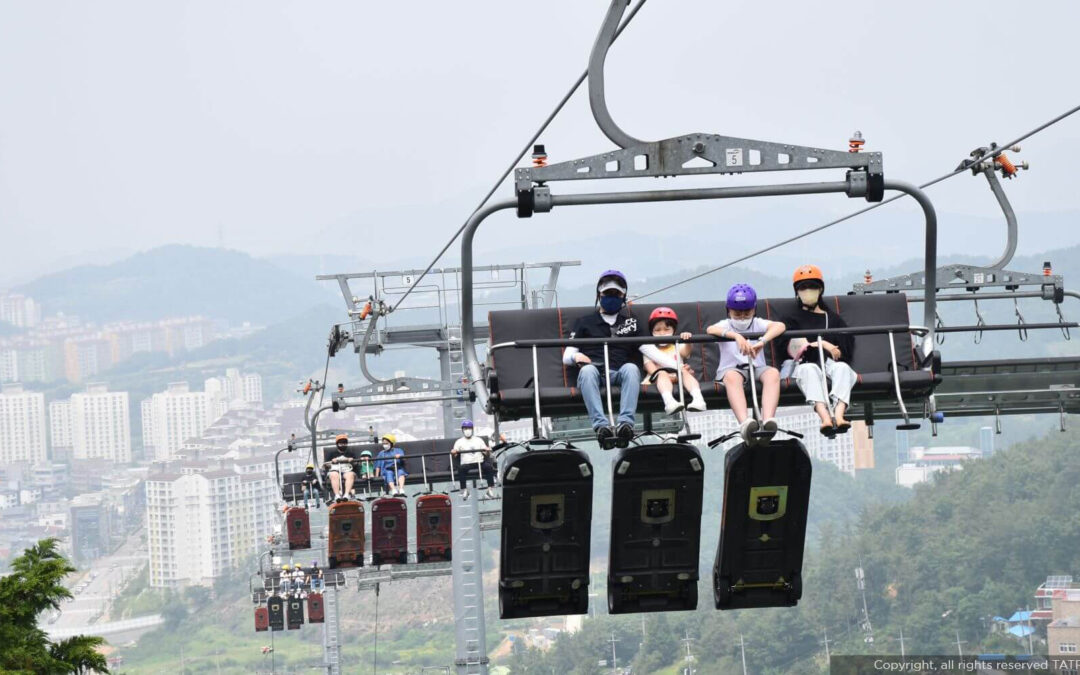
The issue of establishing better transportation links to India’s tourist sites requires a powerful solution. Popular hill stations see traffic jams that stretch for hours. Religious sites experience their maximum visitor capacity during their busiest periods. Traditional roads and bridges have failed to solve the entire equation. The construction of conventional facilities requires substantial financial resources, as they take multiple years to complete. Further, they disfigure the natural landscape, which draws visitors. In 2026, ropeway transport for tourism alone is emerging as a practical and future-ready alternative.
This guide covers why ropeway transport is becoming the preferred choice for connecting India’s tourist destinations (especially in challenging terrain).
Understanding Ropeway Transport
What is Ropeway Transport?
Ropeway systems function as modern aerial transportation systems that use suspended cabins for passenger movement to elevated destinations. The system application spread to mountainous regions, ski resorts, and urban areas where ground transportation methods are not feasible.
The system operates via motor-driven cables that transport vehicles between different station points. The system enables movement across obstacles, which include valleys and rivers, and steep slopes, because it does not depend on road or tunnel systems.
Key Benefits of Ropeway Transport for Tourism Growth
What makes the aerial ropeway transport system so effective? The answer lies in what tourist craves: memorable experiences with smooth execution.
Tourism-Specific Advantage
Tourism Ropeways provide something that conventional transport systems do not deliver. With it, passengers can enjoy 360-degree panoramic views throughout their journey. Moreover, the cable car ride operates as a separate entertainment experience. The system provides fast connections that operate as an essential service. What takes an hour by winding mountain roads. A gondola covers in minutes.
Every year, many mountainous countries, like India, suffer heavy losses during the winter season. Rain, fog, and snow disrupt everyday activities in mountainous cities. However, ropeway manufacturers in India leave a minimal environmental footprint during the installation. Furthermore, the system requires no forest destruction and no large concrete structures, which destroy hill landscapes. It provides year-round access, benefiting both tourists and local residents.
Cost-Efficiency Advantage
When tourism boards compare infrastructure options, ropeway systems consistently win on total cost of ownership.
- Lower Construction Costs: We know the fact that the roads need extensive earthwork, retaining walls, and multiple bridges. But ropeways just want tower foundations at intervals. Alongside, you need minimal ground space, mostly for stations and tower bases.
- Operational Savings: Once running, cost-effective ropeway infrastructure proves its worth. Maintenance expenses are lower than road upkeep costs. Electric motors power modern systems efficiently. Plus, staffing needs stay lean compared to managing bus fleets or road maintenance crews.
- Long-Term ROI: The financial returns from ropeway systems start to recover their initial investments after a period of 5 to 8 years through ticket sales. Moreover, capacity can be easily increased by adding cabins or extending operating hours. Additionally, the infrastructure itself becomes a destination brand enhancer, attracting tourists specifically for the experience it offers.
Other Comprehensive Benefits Beyond Costs
Cost matters too much, but sustainable tourism transportation solutions deliver value that goes beyond the balance sheet.
- Environmental Sustainability: Ropeways operate with zero direct emissions. Electric motors run clean (unlike diesel buses climbing mountain roads). Forest cover stays intact because systems need minimal ground clearing. The outcome? The tourist destinations preserve the natural beauty that attracts visitors. The top of it, reduced vehicular traffic at sites means cleaner air and quieter environments. Plus, national parks and protected areas particularly benefit from this low-impact approach.
- Improved Accessibility: For a minute, think about people who visit tourist destinations. Elderly pilgrims heading to hilltop temples. Families with young children exploring hill stations. Differently-abled travelers seeking mountain views. Traditional trekking or steep road climbs exclude these groups. The ropeway transport system welcomes everyone. Comfortable cabins eliminate physical strain. Even in emergency situations, evacuation becomes faster and simpler than clearing roads blocked by landslides.
- Tourism Experience Enhancement: This is 2026. Today, modern travelers have become social media buddies who share experiences instantly on social media. A scenic gondola ride creates Instagram moments that traditional bus journeys never will. This viral marketing costs nothing but delivers massive promotional value.
- Regional Development: Local communities benefit substantially from the transport ropeway. Further, its construction phases create jobs. Plus, the operational department needs personnel to handle ticket sales and equipment upkeep, and security operations. Previously inaccessible areas open to tourism, spreading economic benefits. The rising number of visitors during the year enables small enterprises to achieve business success.
- Safety and Reliability: The tourism ropeway systems have been designed to comply with international safety regulations and include modern tracking and operational systems. The system guarantees nonstop service throughout the year through its automated functions and live system monitoring, and the ability to adjust to changing climate conditions.
Planning Considerations for Tourism Ropeway Projects
Smart tourism ropeway projects start with thorough planning.
Feasibility and Route Planning Essentials
The first step of the process requires a site assessment to take place. Engineers conduct evaluations to assess terrain stability and wind patterns, and geological conditions. Route planning balances technical feasibility with tourist experience.
PPP and Private Investment Models
Tourism ropeways attract diverse funding structures. The PPP framework enables governments and private investors to share project risks, optimize capital investment, and improve project outcomes. Private investment develops in situations where investors are clear about potential revenue.
Regulatory Clearances and Safety Standards
The process requires multiple clearances. It undergoes environmental impact assessments and aviation authority permissions for tower heights and local government approvals. All of these permissions take time to complete. Alongside, safety certifications must fulfill national standards together with international best practices.
Importance of Choosing an Experienced Partner
The selection of an experienced ropeway partner stands as the critical requirement for successful project execution. You should seek partners who possess experience in tourism projects, engineering services, and provide strong maintenance support, which includes post-installation assistance. The right partner guides you through feasibility studies, regulatory mazes, and operational setup. M & M Ropeways is a reputable tourism ropeway manufacturer in India and abroad that ensures every technical and regulatory detail is managed with professionalism. Contact us for your first tourism ropeway installation.